
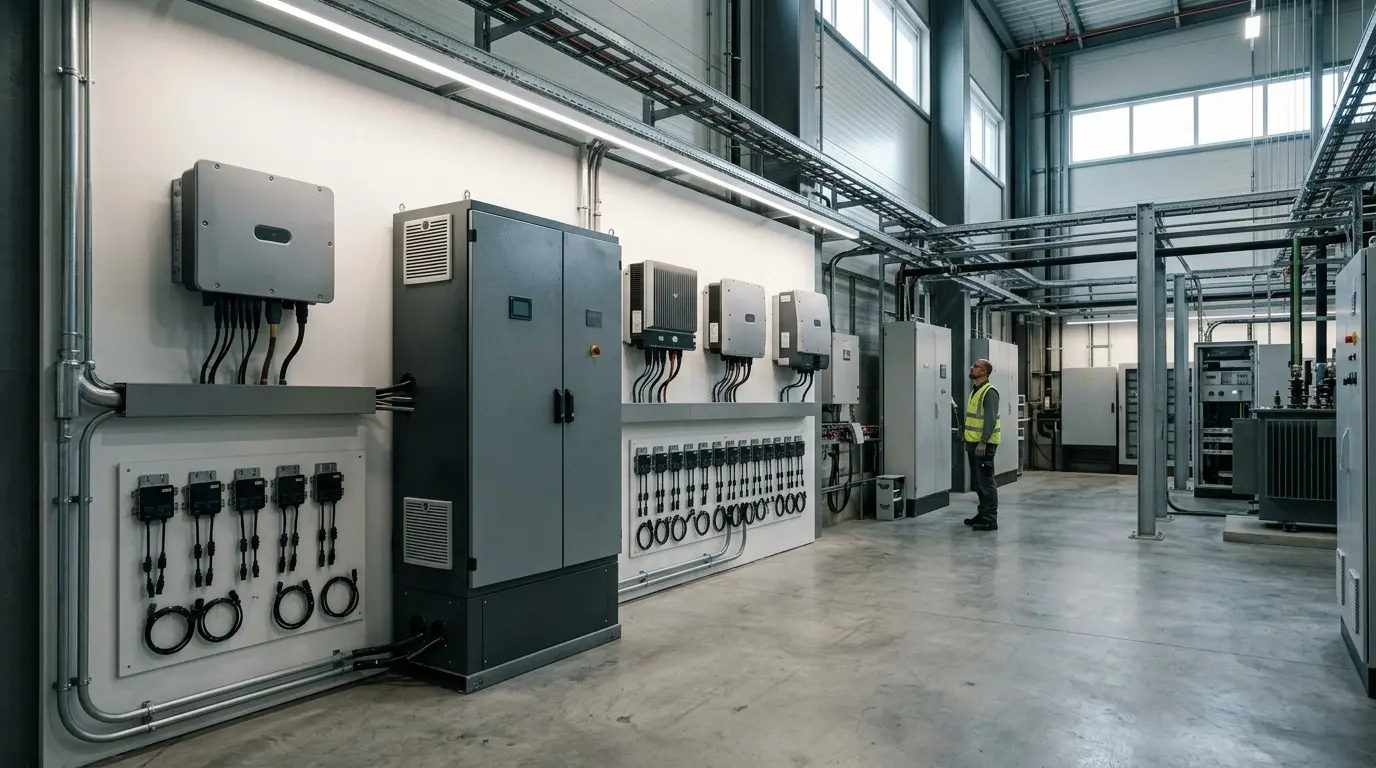
Central, String or Microinverters: Which Architecture Fits a C&I Project?
Published by Quinn Lai | By InverPower Technical Team
Published 22 August 2026 · Last updated 22 August 2026
DIRECT ANSWER
The three differ in where conversion happens and how many modules share one tracking point. Central inverters suit large uniform arrays with a plant room; string inverters are the C&I default because per-string tracking handles real roofs; microinverters convert at each module and earn their premium on shaded or multi-orientation roofs rather than on size.
Architecture is chosen before any product is, and it constrains everything after it: cable routes, protection, monitoring granularity, what a failure takes offline, and how someone gets to a unit that has failed. Getting it right is worth more than the difference between two inverter brands.
The difference is granularity
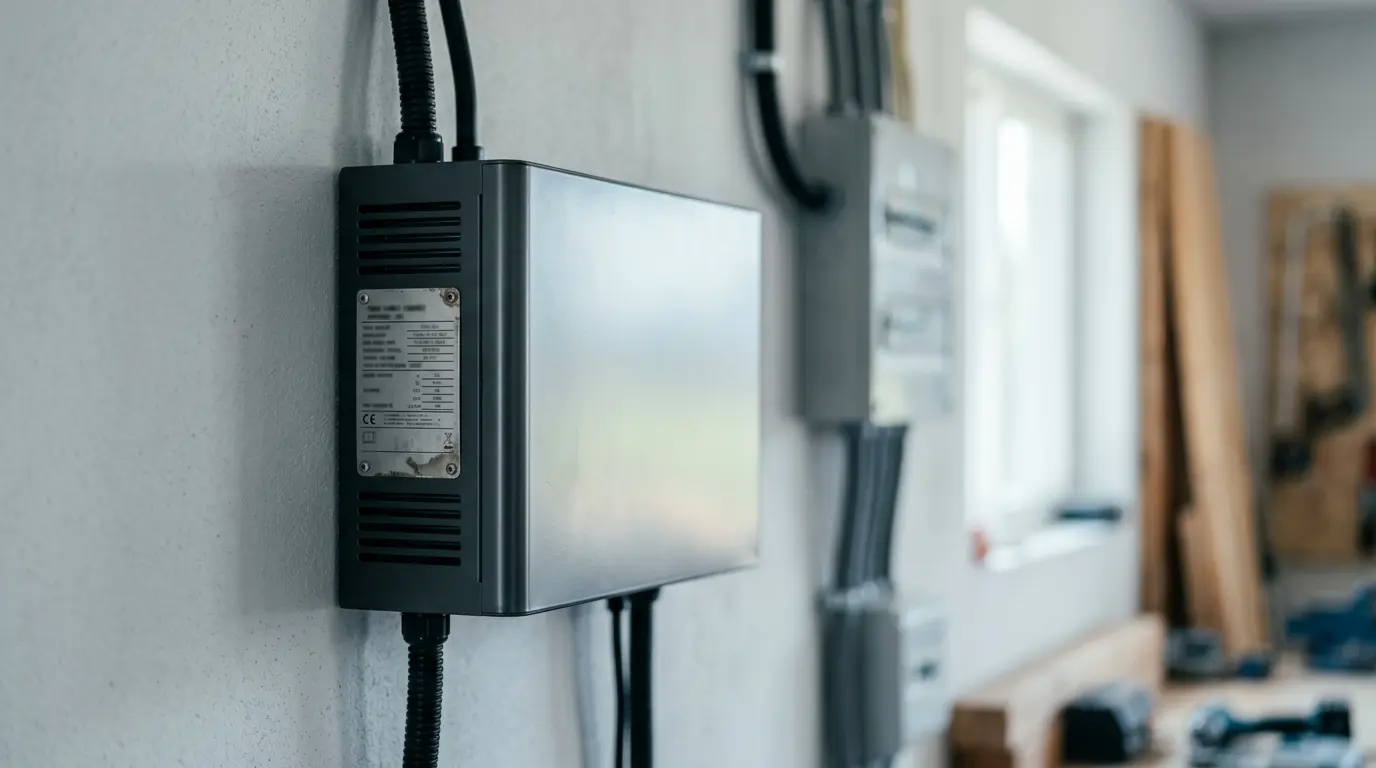
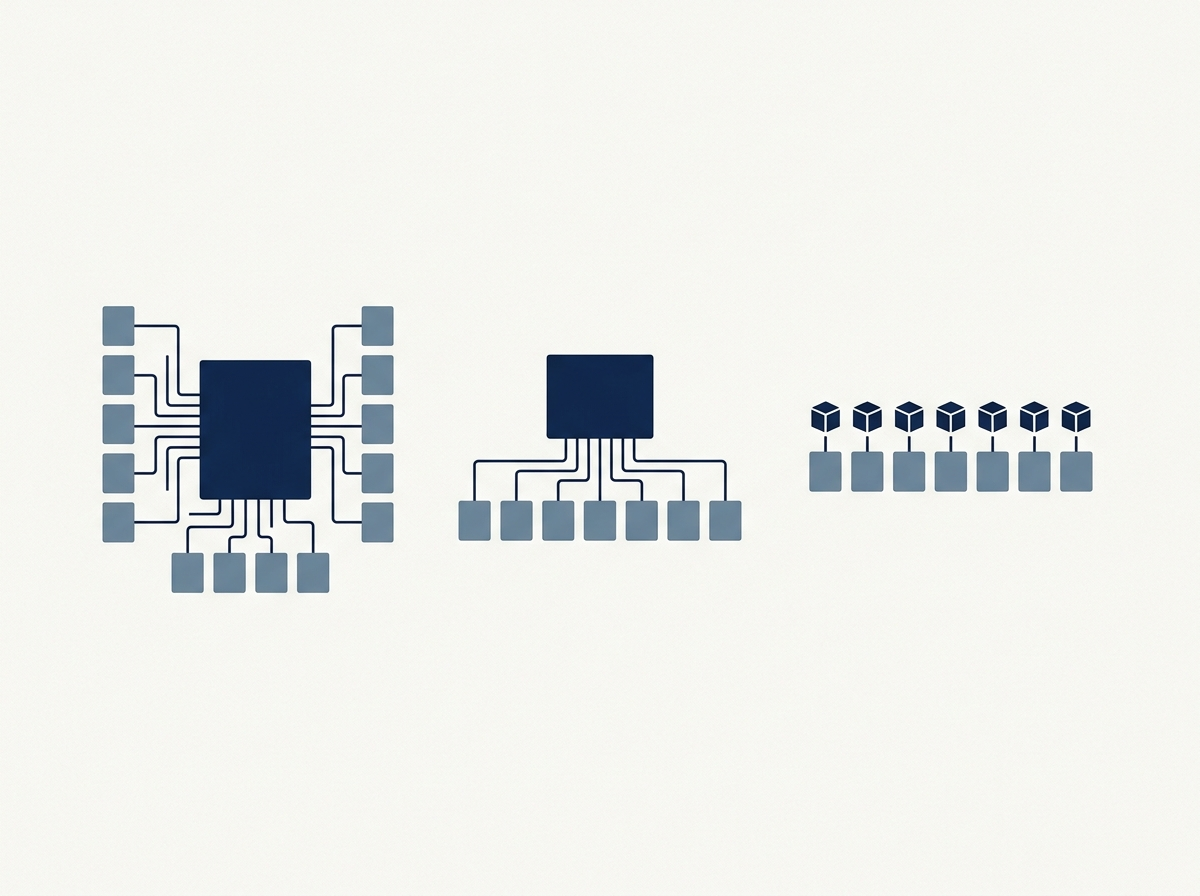
A central inverter takes the whole array — or a large block of it — into one large machine, usually floor-standing in a plant room, fed by combiner boxes out in the field. A string inverter takes a handful of strings each, mounts on a wall or a frame near the array, and gives each string or pair its own maximum power point tracker. A microinverter sits behind a single module and converts there, so the array's DC wiring stops at the module.
The consequence that matters is granularity. One tracking point across a large block means every string is operated at a compromise; one per string means a shaded or soiled string is handled locally; one per module means nothing is compromised at all. Against that, more units means more devices to install, monitor and eventually replace.
Central inverters
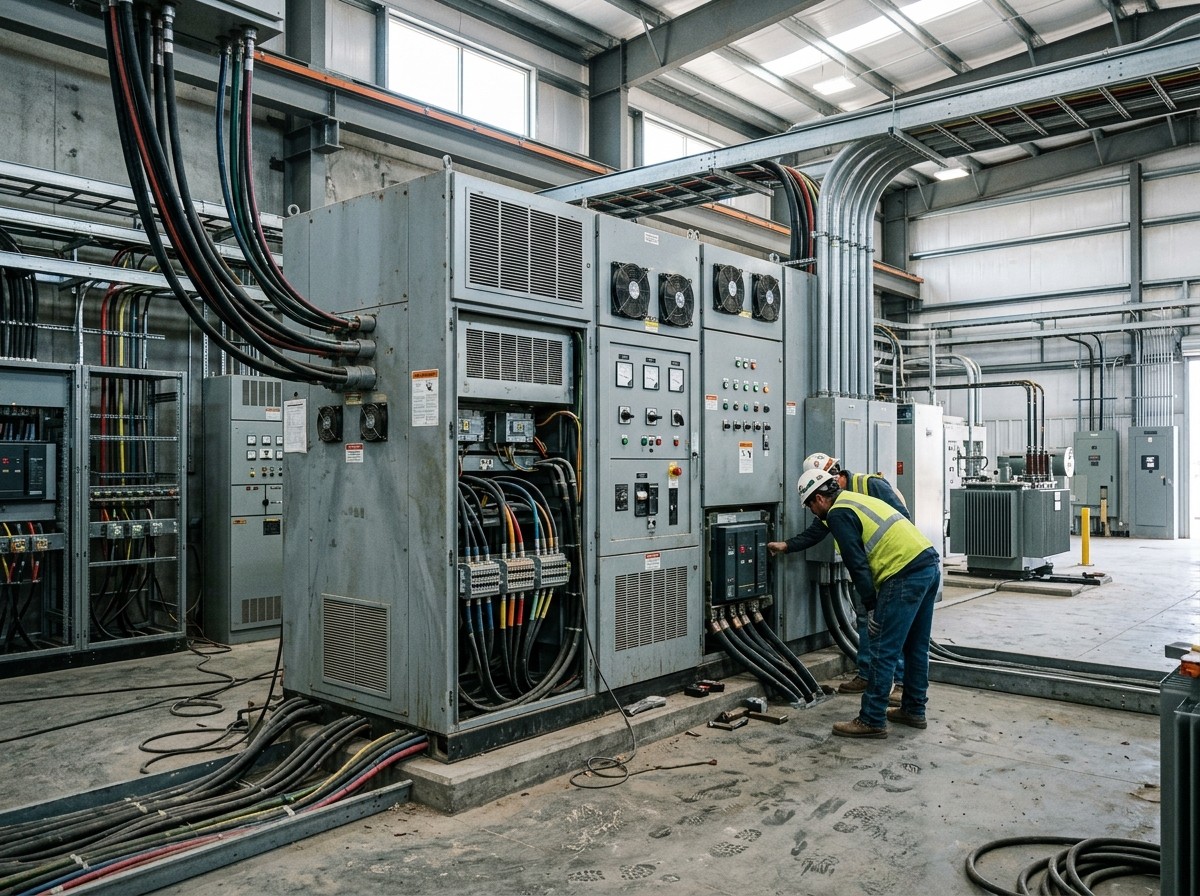
The case for central is scale and simplicity of the AC side. On a large, uniform, unshaded ground mount, a central inverter has the lowest cost per watt, a single point of connection to the medium voltage side, and one place to go for service. It also concentrates risk: a failure takes a large block of the plant offline, and the plant needs a building, ventilation and access for machines that are not carried up a ladder.
For most Malaysian C&I rooftops this is the wrong shape. The roofs are broken up by plant, walkways and orientation changes, the DC runs to a central point get long, and there is rarely a plant room with the space and cooling a central unit wants.
String inverters
This is the default for C&I here, and for good reasons. Multiple trackers per unit handle a roof that faces more than one way. A failure takes out a fraction of the array rather than all of it, and the failed unit is a two-person lift rather than a crane job. Units can be distributed near the array, which shortens DC runs, and the granularity of monitoring is good enough to find a problem string without walking the roof.
The trade is unit count. More inverters mean more AC connections, more isolators, more commissioning records and more devices whose warranties expire on the same day. On a large C&I roof that is a real logistics and maintenance consideration, and it is where the choice between a few large string inverters and many smaller ones gets made.
Microinverters
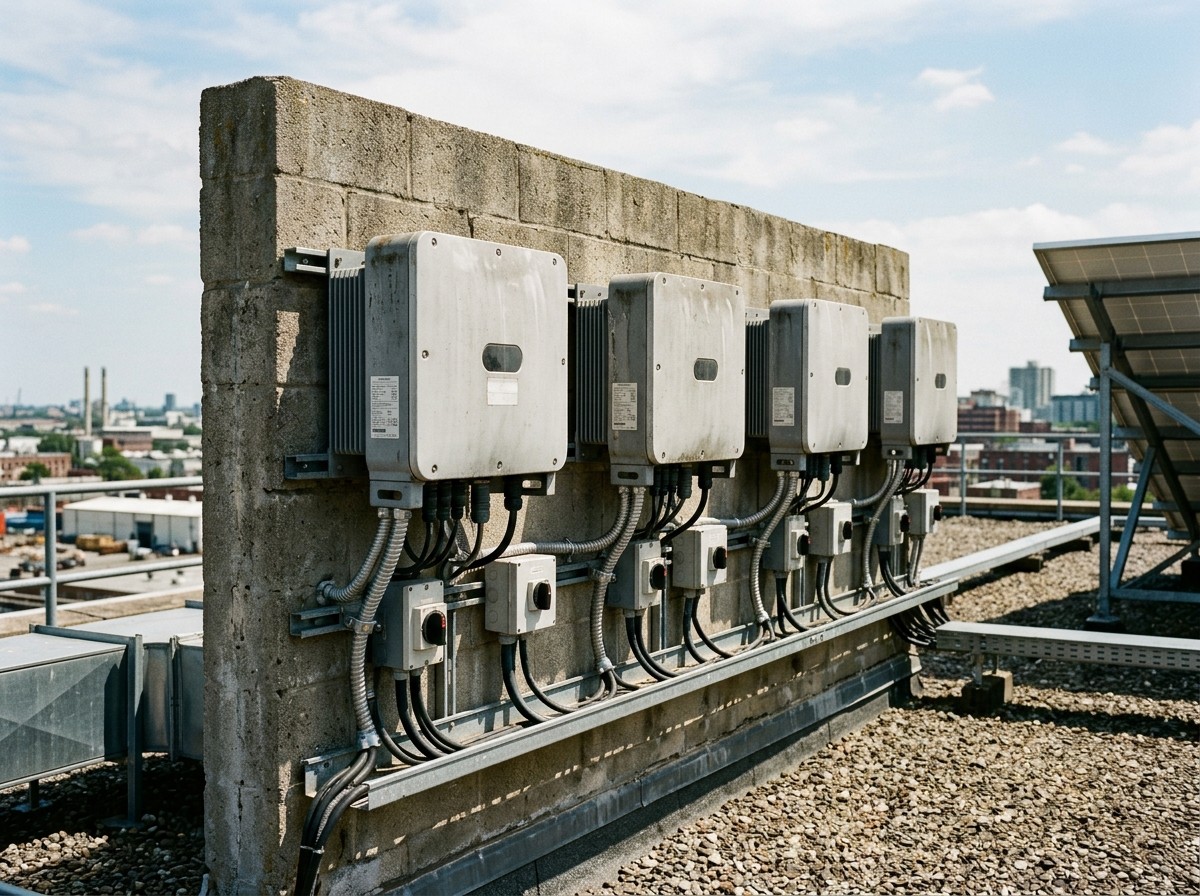
Converting at the module removes the compromise entirely: each module runs at its own optimum, one shaded module costs only its own output, and there is no high-voltage DC string on the roof at all. Monitoring is per module, which turns fault finding into a screen exercise rather than a survey.
What you pay for that is cost per watt and unit count. The premium is justified by a roof that would otherwise lose output — heavy shading from plant or neighbouring buildings, several orientations, small irregular roof faces — or by a requirement for module-level data. It is not justified by size, and specifying microinverters across a large unshaded roof is paying for a problem that roof does not have.
Side by side
| Central | String | Micro | |
|---|---|---|---|
| Conversion point | One block of the array | A few strings | One module |
| Tracking granularity | Lowest | Per string or pair | Per module |
| Shading tolerance | Poor | Good | Best |
| Cost per watt | Lowest at scale | Middle | Highest |
| Effect of one failure | Large block offline | Part of the array | One module |
| Rooftop DC voltage | High | High | None on the roof |
| Monitoring detail | Block level | String level | Module level |
| Typical fit | Large uniform ground mount | Most C&I rooftops | Shaded or multi-orientation roofs |
Mixing them, and maintaining them
Mixing is allowed and sometimes correct: string inverters across the clean part of a roof, microinverters on the shaded wing or the small awkward face. What it costs is uniformity — two monitoring platforms, two sets of spares, two commissioning procedures — so it should be a deliberate design decision with a reason attached, not the result of a roof being surveyed in two visits.
Maintenance differs more than the datasheets suggest. A central inverter is a scheduled-service machine with filters and fans. String inverters are largely swap-out items, and the practical question is whether the mounting position allows a swap without scaffolding. Microinverters are the most reliable per unit but the least accessible, because reaching one means lifting a module — which is why their monitoring matters as much as their electronics.
Specifying it
Start from the roof: orientations, shading through the day, access, and where an inverter can physically live. InverPower stocks Sungrow string and C&I inverters and Hoymiles and Envertech microinverters in Malaysia, so the architecture can be chosen on the merits rather than on what is available. Send the roof layout and we will tell you what fits and what is in stock.
Frequently Asked Questions
Can a C&I project mix string and microinverters on the same roof?
Yes, and on a roof with one badly shaded section it can be the right answer. The cost is two monitoring platforms, two spares holdings and two commissioning procedures, so it should be a deliberate decision recorded in the design rather than an accident of surveying.
What is the maintenance difference between the three?
Central inverters are serviced machines with fans and filters and a service contract. String inverters are mostly swapped rather than repaired, and the real question is whether the mounting position allows a swap safely. Microinverters rarely fail individually but reaching one means lifting a module.
Do microinverters remove the need for DC isolators on the roof?
They remove the high-voltage DC string, which is the substance of the concern, since conversion happens at the module. The installation still needs isolation and protection appropriate to its arrangement, and the requirements should be read against the standard rather than assumed away.
Is a central inverter ever right for a rooftop?
Occasionally, on a very large, uniform, unshaded roof with a plant room and short cable routes. Most Malaysian C&I roofs fail at least one of those conditions, which is why string inverters became the default here.
Sources
- IEC — IEC 62109-1 and IEC 62109-2, Safety of power converters for use in photovoltaic power systems — https://webstore.iec.ch
- IEC — IEC 62116, Utility-interconnected photovoltaic inverters: test procedure of islanding prevention measures — https://webstore.iec.ch
- Sungrow — string and central inverter datasheets, including MPPT count and maximum efficiency — https://www.sungrowpower.com
- Hoymiles and Envertech — microinverter datasheets and monitoring documentation — https://www.hoymiles.com
- SEDA Malaysia — register of approved solar PV inverters — https://www.seda.gov.my
About InverPower
InverPower is Malaysia's A–Z solar component distributor — Sungrow Preferred Distributor and Sunkean Sole Distributor — supplying EPCCs, installers, and government projects nationwide.
Explore the InverPower resource hub at inverpower.com.my
Related InverPower posts:
- String Inverters vs MLPE: How to Decide for Malaysian C&I?
- Sungrow SG125CX-P2 vs SG110CX: Which Fits Your C&I Rooftop?
- MPPT Explained: How Do Solar Inverters Track Maximum Power?